
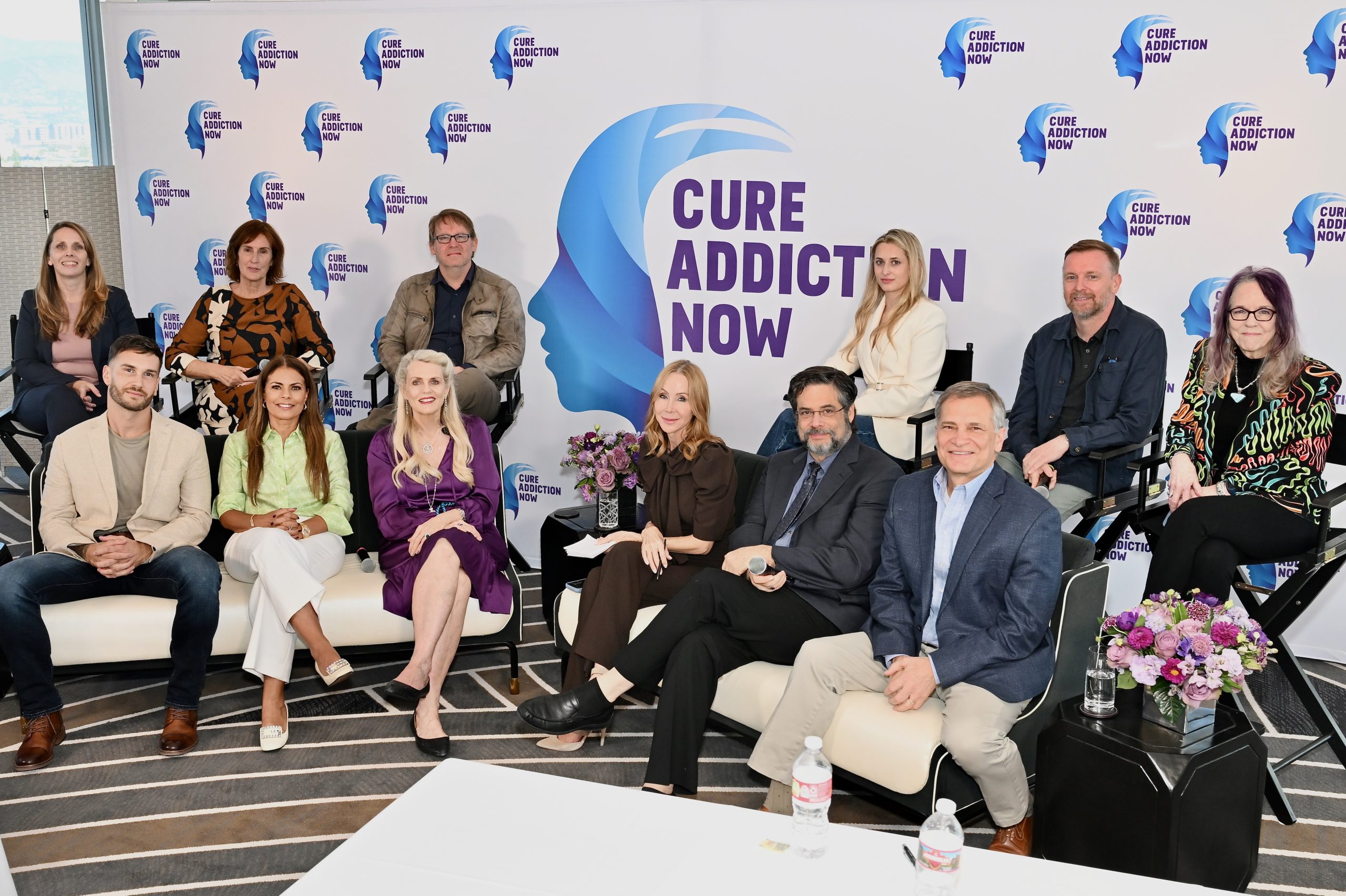
On November 9, 2025 at a powerful live panel hosted by Cure Addiction Now and co-founder Nancy Davis, families affected by addiction, people in recovery, and leading neuroscientists came together to confront the stigma surrounding addiction and highlight promising new treatments that could transform the way the disease is understood and treated. The event blended deeply personal stories of loss and resilience with cutting-edge research, underscoring that addiction is a treatable, chronic brain disease that demands the same urgency, funding, and compassion as other major illnesses.
“My son did not come here for nothing,” said actress and advocate Lisa Vidal, who lost her son to addiction. “I refuse to let his life and his struggle be in vain. I’m using my voice and my platform so other families can get the help and information we didn’t have.”
Addiction as a Brain Disease — Not a Moral Failing: Scientists on the panel emphasized that addiction is driven by complex interactions between genetics, brain circuitry, and environment. Heritability studies show that genetic factors account for 40–60% of the risk for developing a substance use disorder, but no single gene causes addiction. Instead, vulnerability reflects the effects of multiple risk genes working alongside personality traits such as novelty-seeking, reward sensitivity, and impulsivity. “Many people with addiction are the explorers of the world,” one researcher noted. “The same traits that make them creative and entrepreneurial can also increase vulnerability when highly addictive substances are available.” Panelists explained that addiction often reflects a breakdown in the brain’s self-regulation systems, where prefrontal regions responsible for decision-making and impulse control lose influence over reward circuits—“a failure of the brain’s braking system,” not a lack of willpower.
The Staggering Power of Today’s Drugs: Speakers highlighted that modern substances—especially synthetic opioids—are more potent and dangerous than at any point in history. Illicit fentanyl analogs can be 50–100 times stronger than morphine, delivering rapid, dramatic overactivation of reward pathways. “These are some of the most reinforcing and high-potency and addictive substances ever produced,” said one scientist. “We cannot ignore that they exist within a multi-billion-dollar industry built around substances engineered to hijack the brain’s reward circuits.” The panel also noted the rise in high-potency cannabis products, now often 2–4× stronger than those available in the 1990s, increasing risks for addiction and psychiatric complications—particularly among adolescents.
Stigma Everywhere: Patients, Families, and Even Doctors: The conversation repeatedly returned to the long shadow of stigma: toward people with substance use disorders, and even toward the clinicians and scientists working to understand and treat the disease. “I’ve been stigmatized my whole career because I study addiction,” one scientist said. Families described being judged, blamed, and dismissed. Many also spoke about the long-term consequences of criminal records, which can limit employment, housing, education, and social mobility even after years of recovery.
Emerging Treatments Offer Real Hope: Despite the challenges, the scientific portion of the discussion was filled with cautious optimism. Several new therapeutic approaches are showing promise in preclinical and early clinical trials.
GLP-1 Agonists and Co-Agonists: Originally developed for diabetes and obesity, GLP-1–based medications (and newer dual GLP-1/GIP compounds) are now being tested for alcohol and opioid use disorders. Multiple Phase 2 studies show reduced craving and substance intake, and large Phase 3 trials launched in 2024–2025 reflect growing confidence in their potential.
Orexin Receptor Antagonists: Orexin signaling plays a central role in reward and craving. Selective orexin-1 receptor antagonists reduce drug-seeking in animal models, and dual orexin antagonists—already FDA-approved as sleep medications—are now being evaluated in humans for their ability to decrease cravings and relapse risk.
Tzampanel (AMPA Receptor Modulator): Tzampanel, a selective AMPA receptor antagonist, is being studied as a potential treatment for opioid withdrawal. Researchers hope it can reduce glutamate-driven hyperexcitability, ease withdrawal symptoms, and modulate circuits driving compulsive use—all of which could support early recovery.
Addiction Vaccines: Nancy Davis highlighted ongoing work on an opioid vaccine, designed to generate antibodies that bind opioids in the bloodstream before they reach the brain. While vaccines do not directly treat craving, they could block euphoria, prevent overdose, and offer long-term protection for high-risk individuals. “My dream is that one day, if addiction runs in your family, your child could receive a simple shot along with their childhood vaccines,” Davis said. “That could stop them from ever going down this rabbit hole.”
A Broken System: Criminalization Over Care: Panelists called attention to systemic shortcomings in how the U.S. responds to addiction:
- Jails and prisons remain the largest providers of addiction treatment, despite being poorly equipped for that role.
- Many major health systems still lack comprehensive, evidence-based addiction services.
- Rehabilitation facilities vary widely in quality, often without standardized oversight.
- Insurance coverage remains severely inadequate, forcing families into debt to access care.
More than 20% of incarcerated people in the U.S. meet criteria for a substance use disorder.
“People with addiction are set up to fail,” one physician said. “They leave treatment with criminal records, limited employment options, unstable housing, and ongoing mental health needs. That is not a recipe for recovery.”
Data, Equity, and Language: What Must Change: The panel identified several priorities for transforming addiction treatment:
1. Collecting Better Data: Cure Addiction Now is funding research that incorporates wearable devices and standardized assessments into treatment settings to track physiologic markers of withdrawal, relapse risk, stress response, and recovery trajectories in real time.
2. Ensuring Equity for Black and Brown Communities: Speakers emphasized the need for targeted funding, culturally informed services, and policy reforms that address the intersection of racism, poverty, and addiction—disparities that increase both exposure to risk and barriers to care.
3. Changing the Language Around Addiction: Replacing stigmatizing labels like “addict” and “junkie” with person-first language reduces shame and increases the likelihood that individuals will seek help.
Turning Pain Into Purpose: The event closed on a note of determination and hope. Parents who lost children, individuals thriving in recovery, and scientists who have spent decades in a stigmatized field all shared a common mission: to save lives and change the narrative around addiction. “This was his dream,” Davis said of her son Jason. “He wanted so badly to find a cure. That’s what we are going to do.”
As the event ended, the message was clear: Addiction is a treatable brain disease, not a character flaw — and with sustained research, compassionate care, and collective advocacy, a future with far fewer lives lost is within reach.